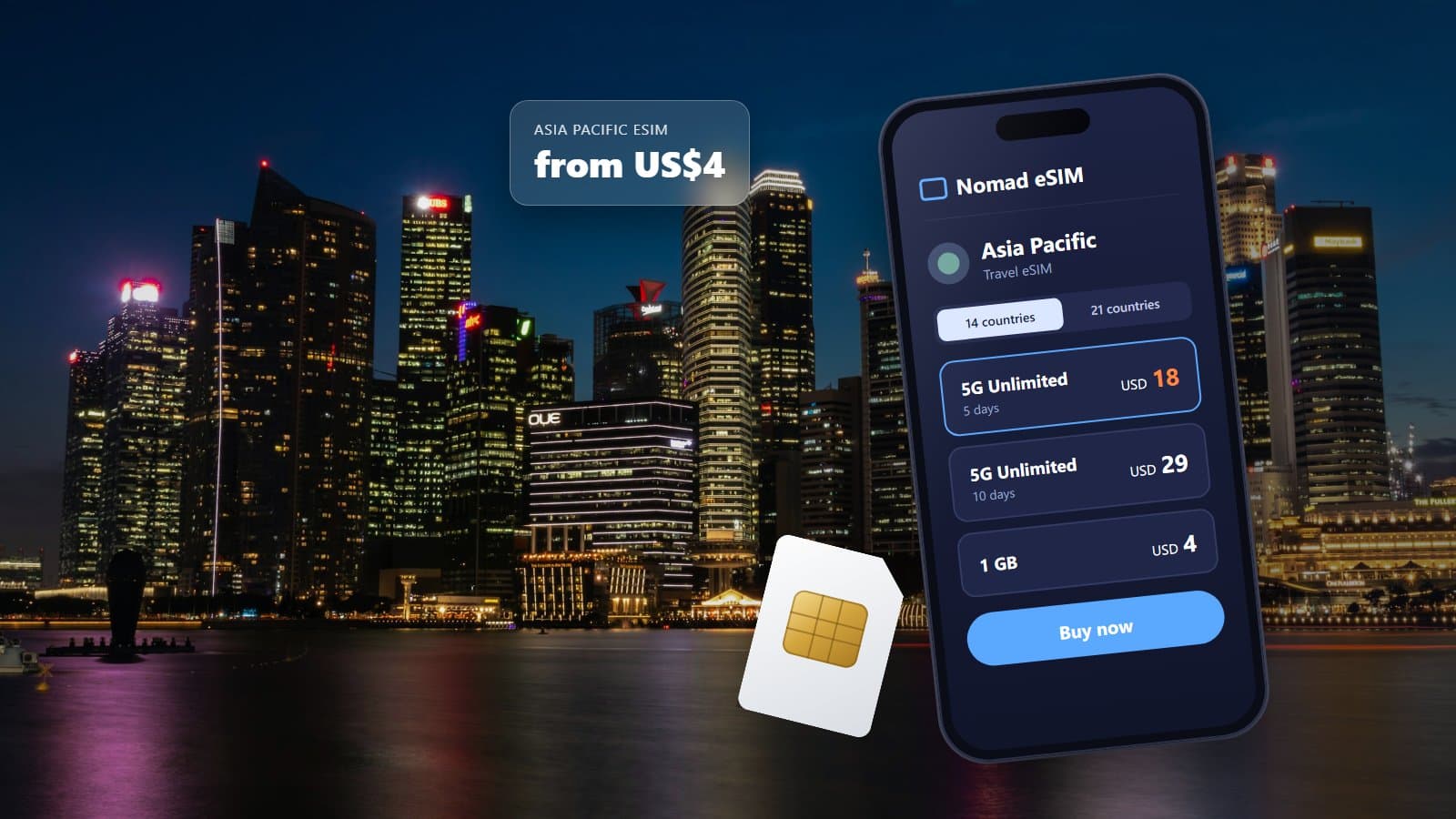
Travel across Asia often includes multiple countries with different network conditions. Choosing the right data plan can make a noticeable difference in how smooth the trip feels. Small oversights during selection may lead to connectivity gaps or unexpected limits. A bit of awareness helps avoid these issues before the journey begins, so it's worth sorting out alongside the rest of your packing list for Southeast Asia.
Not Checking Device Compatibility Before Trips
One common mistake is assuming every phone supports digital SIM use. An Asia travel eSIM works only on devices with embedded SIM support, so this detail needs early attention. A quick check in settings or official specifications can confirm if the device is compatible. This helps avoid last-minute issues after arrival in Singapore or Thailand.
Another overlooked point involves carrier-locked phones. Devices tied to one network may not accept external profiles when moving across regions. This becomes important during trips that include Malaysia or Vietnam. Confirming this detail early helps prevent setup problems later.
Ignoring Country Coverage Across China, Hong Kong and Vietnam
Many travellers choose a plan without checking if all destinations are included. Plans may cover several countries, yet some locations, like China or Hong Kong, might not be part of the list. This can lead to no connectivity at certain stops. A quick review of supported countries helps avoid this situation.
Coverage strength also differs within each country. Cities in Vietnam or Hong Kong often have strong networks, while smaller regions may not. This can affect how apps perform during daily use. A closer look at coverage details helps set better expectations.
Not Checking Data Limits for Multi-country Travel
Skipping plan details such as data limits and validity is another common mistake. Each plan has a fixed allowance and a set number of valid days. If these limits do not match the travel duration, data may run out too soon. This can interrupt access to maps, bookings or communication.
Plan details that should not be missed
- Total data available for the entire trip
- Validity period after activation
- Speed reduction after the limit is used
These points help in comparing options more clearly. They also support better planning before departure. A well-matched plan helps maintain steady connectivity and reduces the risk of interruptions during travel.
Choosing the Wrong Data Size for Your Stay
Data usage often varies based on travel style and destination. City visits in Indonesia or the Philippines may involve frequent app use for transport and dining. Island stays may include more media sharing and streaming. Choosing a plan without considering these patterns can lead to imbalance.
Too little data may require frequent top-ups, while too much may remain unused. This affects both convenience and spending control. A balanced estimate based on daily habits helps avoid this issue. It also supports smoother usage across destinations.
Overlooking Activation Timing
Activation timing is often missed during plan selection. Some plans begin immediately after installation, while others start only after first use. Ignoring this detail can affect when data becomes available, which can be inconvenient when you reach your destination.
The setup process usually involves scanning a QR code or using an app. While simple, each step must be followed carefully. Any mistake can delay connectivity after arrival. A clear understanding of activation timing helps avoid unnecessary delays.
Not Checking the Network Partnership
Another mistake involves not checking which networks the plan connects to. Digital SIM services rely on local providers in each country. Plans that link with strong networks in Thailand or Vietnam may offer better performance. This affects speed and reliability during daily use.
Automatic network selection helps connect to available signals. However, the underlying provider still plays a key role. Weak partnerships may lead to slower speeds in some areas. Reviewing this detail can help improve the overall experience.
Ignoring Support Access Across Multiple Asian Countries
Support options are often ignored until an issue arises. Some providers offer quick help through chat or email, while others may take longer. Lack of support can make it difficult to resolve connectivity problems during travel. This becomes more noticeable during multi-country trips.
An Asia travel eSIM may help improve response handling when support is available. This ensures issues can be addressed without long delays. It also supports smoother travel across countries like China, Singapore and Vietnam. Reliable support adds value during the journey.
Final Thoughts
Multi-country travel across Asia often requires careful planning for connectivity. Small mistakes during plan selection can lead to avoidable disruptions later. An Asia travel eSIM helps support steady access across destinations like Thailand, Indonesia and the Philippines when chosen with attention to detail. A few simple checks before purchase can make travel more convenient and connected across regions.

Written by Pam
Travel Writer
Last updated today



Leserkommentare
Noch keine Kommentare — sei der/die Erste, der/die seine Erfahrung teilt!
Kommentar hinterlassen