


If you prefer a faster, more comfortable option, minivans offer direct routes, door-to-door service and air conditioning — though they do cost more than buses.
This guide covers everything you need to know about buses and minivans in Costa Rica, so you can decide which works best for your trip.
Minivans: the smoothest and fastest way
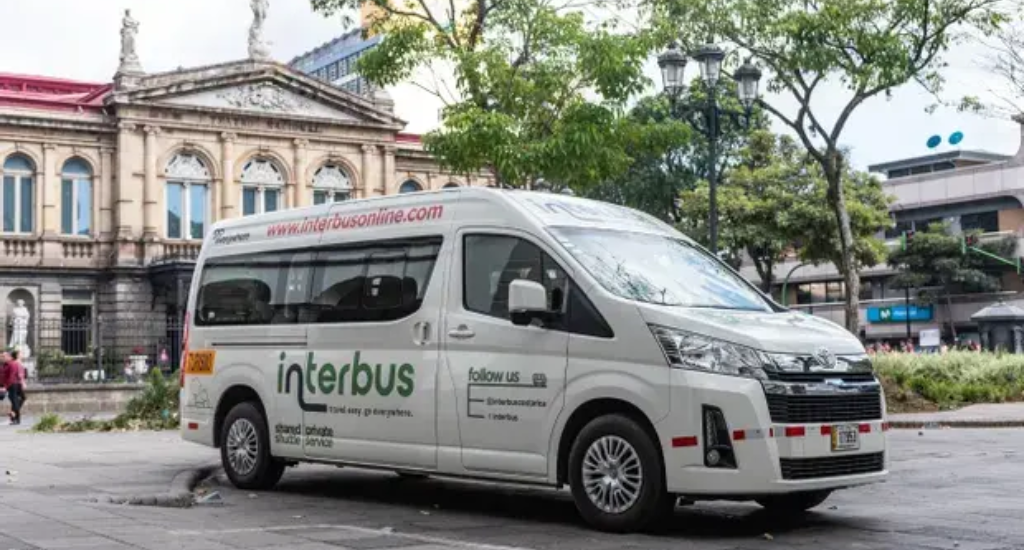
Buses are the cheapest way to get around, but they’re not for everyone. If you’d rather skip the crowded terminals, long travel times and unpredictable schedules, minivans might be a better option.
While they cost more than buses, they offer a smoother and safer ride — especially if you’re carrying valuables or unfamiliar with local routes.
Why choose the minivan?
- Convenience: Most minivans pick you up from your accommodation and drop you off at your destination, so you won’t have to deal with bus terminals or transfers. Some even offer free airport pickups.
- Safety: With professional drivers and pre-arranged routes, minivans are a safer option — especially for night travel or unfamiliar areas. Plus, avoiding busy bus stations reduces the risk of theft.
- Comfort: Minivans are air-conditioned and have more space than public buses, making long journeys much more enjoyable.
- Speed: They take direct routes with fewer stops, so you’ll reach your destination faster than by bus.
That said, this convenience comes at a higher price. Minivans are way more expensive than buses, though they’re still cheaper than private taxis.
Buses: the budget friendly way
Travelling bu bus can take some research, especially if your journey involves multiple transfers. Plus, you’ll likely need to switch buses once, twice, sometimes even three times.
If that sounds like too much hassle, minivans offer a simpler alternative.
On the other hand, there are also some direct buses for certain routes to popular destinations like (Tamarindo, Manuel Antonio, or Monteverde) and they can be considerably cheaper than a minivan!
The pros and cons of travelling by bus in Costa Rica
Buses in Costa Rica are basic, but they get the job done. Many don’t have air conditioning, meaning it can get hot during the day. You can open the windows for a breeze, but that also allows dust to come in.
Finding out which company operates the route you plan to travel.
Another thing to note is that buses make frequent stops to pick up and drop off passengers. It’s great for flexibility, but it can add a lot of time to your journey.
Why choose the bus?
Still, there are some good reasons to consider taking the bus:
- It’s budget-friendly. Buses are the cheapest way to travel in Costa Rica. A ticket costs way less than hiring a taxi or booking a private shuttle.
- You’ll get a local experience. Riding the bus gives you a glimpse into everyday Costa Rican life. You’ll share the ride with locals and often pass through small towns and quiet neighbourhoods.
- The views are amazing. Many routes take you through beautiful landscapes, from lush green forests and rolling hills to scenic coastal roads.
Buses in Costa Rica aren’t fancy and the seats can feel tight, especially on long trips. But if you’re okay with that, buses are generally reliable, affordable and part of the adventure. If comfort is a priority, minivans provide a more spacious and air-conditioned ride, though at a higher price.
PRO TIP: Local travel links, including the bus station in San Jose, can attract thieves, so keep your belongings in sight. Don’t board the bus until your bigger bags are inside the luggage compartment, and be sure to get your luggage ticket. It’s best to keep smaller bags, containing your valuables, in front of you or between your feet, instead of in overhead storage
Main bus terminals in Costa Rica
Planning your trip by bus usually means two things:
- Locating the terminal where their buses depart.
- Finding out which company operates the route you plan to travel.
Unlike some countries, Costa Rica doesn’t have one central bus station. Instead, each bus company operates from its own terminal. Where you need to go depends on your destination, so you’ll need to know the right terminal for your route before heading out.
Taking a minivan? You can skip this section! Most minivans pick you up from your accommodation, so you won’t have to navigate bus terminals.
But in San José and Liberia — both cities with international airports — there are some key hubs that serve as main points for multiple routes.
Terminal 7-10 (Closed in April 2025)
As of April 30, 2025, Terminal 7-10 in San José has officially closed. This was the capital’s most important bus station, with departures to Cóbano, Monteverde, San Carlos, and Jacó, as well as international routes to Nicaragua and El Salvador.
New bus terminals in San Jose
Buses that previously departed from Terminal 7-10 are now divided between two new terminals:
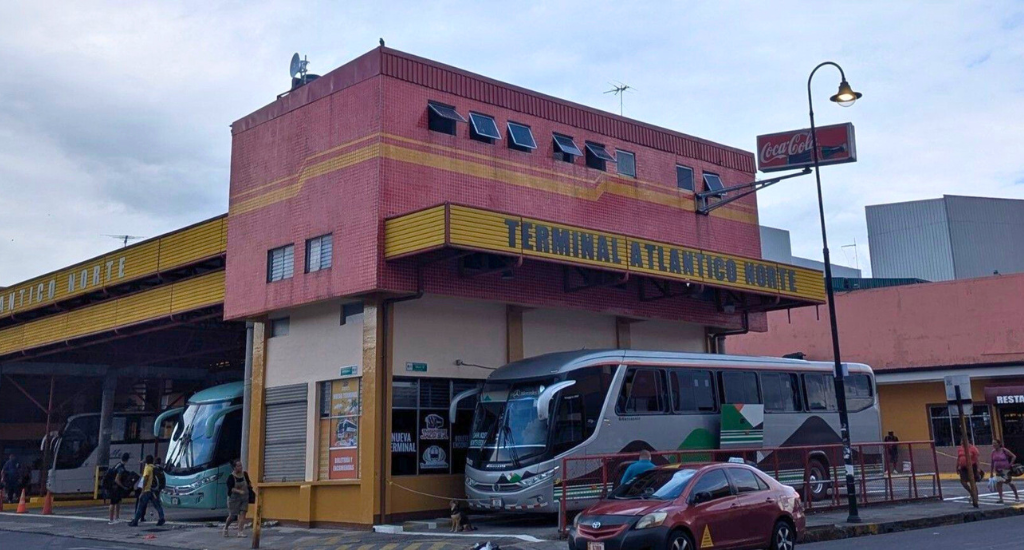
Terminal Atlántico Norte
Now one of the main hubs for national and international routes, this terminal is used by several companies, including Transportes Jacó, MEPE, and Transmonteverde.
Location: Avenida 9, Calle 12, San José, Costa Rica
Comtrasuli Terminal
Located near the Coca-Cola Market in Paso de la Vaca, this terminal also serves several of the routes that once departed from Terminal 7-10.
Location: 20, San José Province, San José, Paso De La Vaca, Costa Rica
Important: Because schedules and locations may vary during this transition, always confirm your departure terminal with your bus company in advance. Allow extra travel time to reach the correct bus station.
La Radial Bus Terminal (Near San José Airport)
La Radial is a bus stop near San Jose Airport in Alajuela, making it convenient if you’re flying in and heading straight to Ciudad Quesada, La Fortuna, or other destinations north of the capital. You won’t need to go all the way into central San José.
The downside? It’s tricky to get real-time info on bus schedules in La Radial, so there’s a chance you could end up waiting a while — or worse, miss your bus entirely. If you can speak some Spanish, it’ll make things much easier to figure out.
Location: Terminal Buses La Radial, Alajuela Province, Alajuela, Costa Rica
Gran Terminal del Caribe
If you’re heading to the Caribbean side — like Puerto Viejo de Talamanca or Limón — this is the terminal you’ll need. The main company here is Grupo Caribeños, which runs buses to most places along the Caribbean coast. There’s also Empresarios Guapileños, which has routes to spots like Guápiles and Puerto Viejo de Sarapiquí.
Location: San José, Bajos de La Union, Costa Rica
Terminal de Buses Municipal de Liberia
The Terminal de Buses Municipal de Liberia is where you can catch buses to Tamarindo, Playas del Coco and Rincón de la Vieja National Park. If you’re flying into Liberia International Airport, you can easily head here to catch your bus. A few bus companies run from here, including:
- Transportes La Pampa
- Autobuses de Artola (Flor de Polanco)
- Grupo TRANBASA
- Reina del Campo S.A.
Location: Terminal de Buses Municipal de Liberia, Guanacaste Province, Liberia, Los Ángeles, Costa Rica
IMPORTANT: While there are a few main hubs in larger cities, most bus companies across Costa Rica still operate their own separate terminals in each city. Always check which terminal your bus departs from before heading out to avoid any confusion!
An overview of popular bus companies in Costa Rica
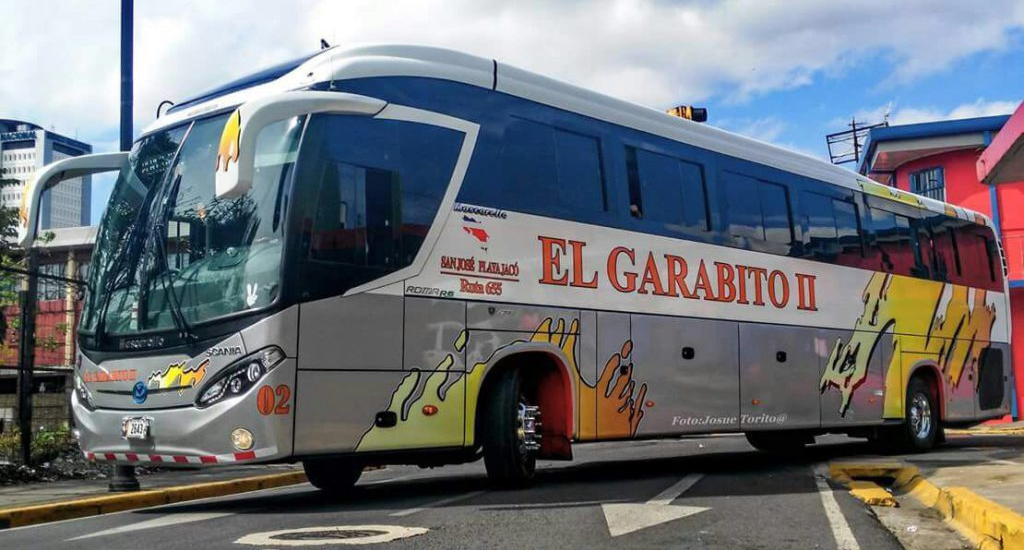
Below is a list of popular bus companies that cover major routes across the country. While this isn’t an exhaustive list, these are among the most commonly used by both locals and travellers.
| Bus Company | Route |
|---|---|
| Transportes Cobano | San Jose to Montezuma |
| Autotransportes San José San Carlos | San Jose to La Fortuna |
| Autotransportes MEPES | San Jose to Puerto Viejo de Talamanca |
| Transmonteverde | San Jose to Monteverde |
| Transporte Inteligente Guanacaste | San Jose to Tamarindo |
| Grupo Blanco | San Jose to Corcovado (via Puerto Jimenez) |
| Tracopa | San Jose to Drake Bay (via Sierpe) |
| Tracopa | San Jose to Manuel Antonio |
| Grupo Caribeños, Coopetraca | San Jose to Tortuguero (via Cariari and La Pavona) |
| Pulmitan de Liberia | Liberia to Playas del Coco |
| Transmonteverde, Transportes Quepos Puntarenas | Monteverde to Manuel Antonio (via Puntarenas) |
Here’s a closer look at a few of these companies to give you a better idea of what their services are like.
1. Tracopa
Tracopa is a long-standing bus company in Costa Rica, known for connecting San José to the southern regions of the country as well as offering routes into Panama. Their fleet includes a mix of air-conditioned and non-air-conditioned buses, and they use EURO 5 and 6 engines for better fuel efficiency and reduced emissions.
For trips over five hours, they typically make two stops: one for a 15-minute rest and another for a 30-minute food break. Shorter trips usually include just the rest stop.
Key Routes:
- San José to Manuel Antonio
- San José to Quepos
- San José to Agua Buena
- San José to Copa Buena
- San José to Sierpe
- San José to Paso Canoas
- San José to Golfito
- San José to David (Panama)
- San Isidro to San Vito
Buying Tracopa tickets is pretty simple — you can grab them at their terminal or pay the driver directly, but note that it’s cash only. They have an app, but most people say it’s not great for bookings and doesn’t always work.
There are some mixed reviews about the service. Some travellers have reported being overcharged by drivers, especially if they’re foreigners, and a few mentioned that staff weren’t very helpful.
That said, Tracopa is still a solid choice if you’re looking for a budget-friendly way to explore southern Costa Rica or even head into Panama. Buses are mostly clean and comfortable, but since not all of them have air conditioning, your experience might depend on the bus you get. Just keep cash handy and double-check prices before you pay.
2. Autotransportes MEPE
MEPE is the bus company you’ll use if you’re heading to the Caribbean coast or to the Panama border. Their buses are mostly reliable, but the comfort level depends on which one you get. Some have air conditioning and are nice and modern, while others are older and don’t have A/C—or the driver just doesn’t turn it on.
Key Routes:
- San José to Puerto Viejo de Talamanca
- San José to Sixaola
- Limón to Sixaola
MEPE gets mixed reviews. Overall, they’re reliable, and you can pay in cash with colones or small U.S. dollar bills (nothing over $20), which makes things easier for foreigners. But the experience really depends on the bus you get.
There are also some comments about the drivers. Some travellers say they’re friendly and helpful, while others have had less-than-pleasant experiences.
One thing to watch out for is the MEPE Terminal in San José. It’s not in the safest part of town, so it’s better to take a taxi or an Uber to get there instead of walking, especially after dark.
3. Grupo Blanco
Grupo Blanco is a well-known bus company in Costa Rica, operating routes to places like Puerto Jiménez, Quepos and Palmares. They’ve been around since 2013, after combining a bunch of smaller companies into one. If you’re heading toward the southern regions, Grupo Blanco is one of your main options.
Key Routes:
- San Jose to Puerto Jiménez
- San Isidro to Puerto Jiménez
- San Isidro to Quepos
- San Isidro to Palmares
- Ciudad Neily to Dominical
Their buses are your typical intercity type — basic but reliable. The company says they have air conditioning on their buses, but in reality, it’s hit or miss. Some buses have it, others don’t, and even when they do, the driver might decide not to use it.
On the bright side, Grupo Blanco tends to stick to its schedules, so you generally don’t have to worry about their buses leaving late. But the trips can feel longer than expected. The frequent stops to pick up and drop off passengers along the route add to the travel time. If you’re not in a rush and don’t mind a slower pace, it’s a decent option.
4. Transportes Inteligente de Guanacaste (TIG)
If you are heading to Guanacaste from San José, Transportes Inteligente de Guanacaste (TIG) is a good option. They operate routes to places like Tamarindo, Nicoya and Santa Cruz.
Key Routes:
- San Jose to Tamarindo
- San José to Nicoya
- San José to Flamingo
- San José to Santa Cruz
- Liberia to Tamarindo
TIG is generally reliable, but there have been complaints about service quality, especially regarding driver behaviour. If you’re travelling with extra luggage, be prepared to pay a small fee. Also, double-check your ticket details before confirming your purchase — if you miss your bus, getting a refund or rescheduling can be tricky.
5. Transportes Jaco
Transportes Jacó is a reliable option if you’re heading from San José to the beach town of Jacó. Buses usually run every two hours from 7:00 to 19:00, and there are extra departures on weekends when more people travel.
Key Routes:
- San José to Jacó
The buses are clean and well-maintained, with decent seating that’s comfortable enough for the journey. Don’t expect air conditioning, though. It can get warm during the day, and while some buses might have A/C, it’s not always guaranteed.
Getting tickets for Transportes Jaco is simple — you can book them online or buy them directly at the terminal. Just remember that buses fill up quickly on weekends and holidays, so it’s always a good idea to get there early to secure your spot.
Tips for taking the bus in Costa Rica
1. Understand the route
When a bus pulls up, it will usually have a big sign showing its final stop. But here’s the thing — that’s just the final destination. Your stop might not be listed, so do a bit of homework beforehand. If you’re unsure, ask the driver or someone at the terminal. People are usually helpful.
2. Stay safe and comfortable
Many buses don’t have air conditioning, so dress light and bring water because it can get hot! Keep an eye on your belongings at bus terminals. Petty theft isn’t uncommon so be smart about it. Keep your bags close and don’t flash anything valuable.
3. Bring cash
Most buses only accept cash, and having smaller denominations makes life easier. Companies like MEPE might take small USD bills (up to $20), but anything higher are usually not accepted. It’s best to have some colones on hand.
4. Avoid the rush
Popular routes fill up quickly. Plan to get to the terminal at least 30 minutes early, though arriving an hour before departure is even better. If you can book your ticket online, do it. Not all bus companies offer online booking, though, so check ahead of time.
Where to buy bus tickets
If you are looking to buy bus tickets, you have a few solid options:
- In person: The most straightforward option is to buy your ticket at the bus terminal or directly from the driver. This is how most locals and travellers do it. Just remember to have enough cash in colones — cards aren’t widely accepted.
- Online platforms: You can book tickets through websites like Bookaway, MiBus or La Terminal. They’re convenient but often include a booking fee on top of the fare. (Bonus: On Bookaway, you can compare prices and schedules for both buses and minivans.)
- Direct bookings: Some bus companies let you book through their websites or apps. These can work, but they’re not always the most reliable, so it’s a good idea to double-check everything before you count on it.
Should you take a bus or a minivan?
Your choice depends on your priorities — budget, time and comfort. Here’s a quick breakdown to help you decide:
Buses are best if:
- You’re on a budget and want the cheapest way to travel.
- You’d love to experience Costa Rican culture and rub elbows with locals.
- You don’t mind a slower pace or frequent stops.
Minivans are better if:
- You’re willing to pay extra for added comfort.
- You’re short on time and need a faster, more direct option.
- You value door-to-door service without the hassle of transfers.
Staying safe when travelling by bus or minivan in Costa Rica
You’re short on time and need a faster, more direct option.
You value door-to-door service without the hassle of transfers.
Costa Rica is a beautiful place to explore, but a little caution goes a long way in keeping your trip smooth. Here are a few tips to stay safe when using public transport:
1. Watch your belongings at bus stations
Pickpockets are common in busy terminals, especially in San Jose. Keep your bags close, don’t leave valuables unattended and avoid flashing expensive items. If you’re carrying a backpack, wear it in front while waiting for your bus. With a minivan, you avoid this since most offer door-to-door service.
2. Be cautious when travelling at night
Buses at night can be riskier, especially if you don’t know the area. If you’re travelling after dark, minivans are a safer and more convenient option.
3. Avoid being overcharged
Some bus drivers have been known to charge tourists extra, especially if you don’t speak Spanish. To avoid this, check fares in advance or ask a local what they paid. Minivan fares are fixed and pre-booked, so there’s no risk of surprise charges.
Rounding it up
Travelling by bus in Costa Rica is an affordable and authentic way to explore the country. You’ll get a glimpse into local life and be rewarded with stunning views along the way.
But it’s not without its challenges — buses are basic, air conditioning is rare and the frequent stops make for longer journeys. Some routes require multiple bus transfers, which can be tricky if you’re unfamiliar with the system or don’t speak much Spanish.
If you’re looking for a smoother ride, minivans offer direct routes, air conditioning and door-to-door service.
While minivans cost more, the added comfort and convenience are often worth it — especially for long trips or when you’re travelling with heavy luggage. Booking them online is easy, which adds to their appeal.
In the end, whether you choose a bus or a minivan comes down to your budget, time and preference for comfort or adventure.

Selene is a writer who loves coffee, travel, and planning. After spending a decade in Manila, she left the city and her career in banking to embrace a more laid-back lifestyle. Now, she is discovering the beauty of slow-paced travel and finding joy in meaningful experiences.

Ela is a storyteller, content producer, solo traveller and a mermaid-in-training. When she’s not in front of her laptop, you will find her barefoot and living her best tan on some island in the Philippines… Or exploring the depths of its seas as a budding freediver. An island girl at heart, she’ll be happy anywhere there is sea, sand, sun and coffee.


