


Before you set sail, it’s good to familiarise yourself with how the ferry system works. This guide covers everything you need to know: routes, schedules, and top tips for travelling by ferry in Croatia.
Why travel by ferry?
Ferries are the primary means of exploring Croatia’s unique islands, linking them to each other and the mainland. Whether you’re travelling on foot or exploring by car, they’ll take you to some of the country’s most beautiful spots.
But ferries aren’t just a form of transport — they’re part of the experience! They offer a scenic, affordable, and laid-back way to enjoy the coastline.
Plus, ferries can be a great way to meet locals and fellow travellers. You might even pick up insider tips on the best places to explore.
Which ferry to take: catamarans vs car ferries
Let’s start with local terminology. When talking about ferry travel in Croatia, it’s helpful to know how locals call them so you don’t get them mixed up. Croatians generally use the word ‘ferry’ for boats that carry both cars and passengers, while ‘catamaran’ refers to ships designed solely for passenger transport.
Here’s a closer look at each type:
Catamarans
These high-speed ferries are ideal for quick trips between islands and are designed exclusively for foot passengers—perfect if you’re travelling light and value speed.
What to expect on a catamaran:
- Fast journeys: Catamarans reach destinations quicker than traditional, bigger ferries.
- Comfortable interiors: Most catamarans offer air-conditioned cabins and comfortable seating.
- Deck access (sometimes): While some catamarans have enclosed decks, others allow outdoor access depending on the boat and weather.
There are three main ferry companies in Croatia that operate catamaran services on various routes: Krilo (Kapetan Luka), TP Line and Jadrolinija.
Car Ferries
If you’re taking a car across the sea, you can’t board a catamaran. Car ferries are slower ferries that can carry vehicles of all types, from motorcycles to cars and trucks. They also don’t typically dock at the main port, but on another port on the island.
What to expect on a car ferry:
- Vehicle transport: Ideal if you plan to drive on the islands.
- Outdoor access: You can usually access the ferry’s deck to enjoy fresh air and scenic views.
- Longer boarding queues: Due to their higher capacity for passengers and vehicles, car ferries can get busy. Queues may be longer, especially in peak season.
Croatia’s state-owned ferry operator, Jadrolinija, is the country’s main provider of car ferry services.
Major Ferry Companies in Croatia
When planning your island-hopping adventure in Croatia, you’ll likely encounter these major ferry companies:
Krilo (Kapetan Luka)
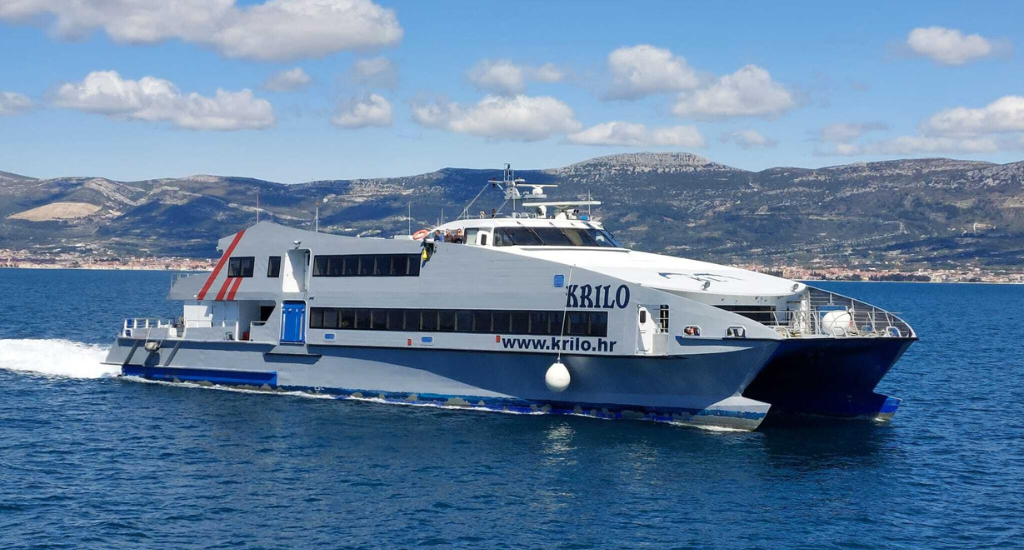
Krilo provides high-speed catamaran services, perfect for day trips or short stays between islands. Operating mainly during peak and shoulder seasons, Krilo allows passengers to bring up to 23 kg of luggage for free.
Fleet: Krilo’s modern fleet includes six catamarans with a capacity of 250 to 445 passengers. All vessels are air-conditioned, with onboard bars serving snacks and drinks. Outdoor deck access may be available on some vessels, depending on the weather.
Vessel details:
- Krilo Lux
- Route: Split – Brač (Milna) – Hvar – Korčula – Mljet (Pomena) – Dubrovnik
- Capacity: 428 passengers
- Speed: 36 knots
2. Eclipse
- Route: Pula – Unije – Susak – Mali Lošinj – Ilovik – Silba – Zadar
- Capacity: 445 passengers
- Speed: 43 knots
3. Carbo
- Route: Split – Hvar – Prigradica – Korčula (Old Town)
- Capacity: 350 passengers
- Speed: 36 knots
4. Nomadic
- Route: Split – Brač (Bol) – Makarska – Korčula – Mljet (Pomena) – Dubrovnik
- Capacity: 250 passengers
- Speed: 30 knots
5. Krilo
- Route: Split – Hvar – Korčula
- Capacity: 413 passengers
- Speed: 42 knots
6. Star
- Route: Split – Hvar – Split
- Capacity: 300 passengers
- Speed: 36 knots
Website: www.krilo.hr
TP Line
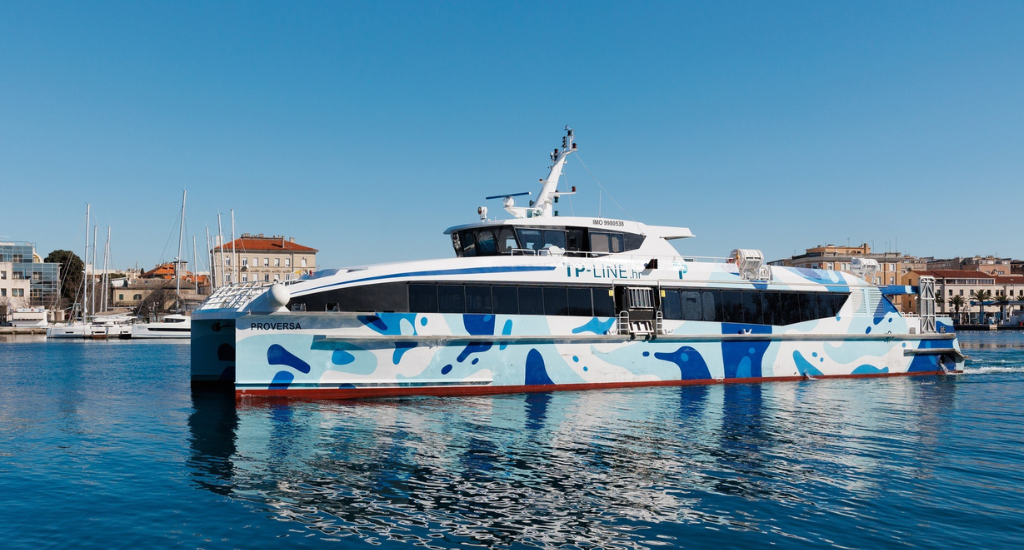
TP Line is a newer ferry company that has quickly become popular with travellers. They specialise in short-haul trips across the southern Dalmatian islands, with a year-round service between Dubrovnik and Korčula. Passengers can bring up to 20 kg of luggage at no extra charge.
Fleet: TP Line operates five catamarans. The smallest catamaran carries 200 passengers, while the largest can hold up to 317. Note that not all catamarans have onboard cafes or bars.
Vessel details:
- Aenona
- Route: Dubrovnik – Šipan – Sobra – (Polače) – (Korčula) – (Lastovo) / Route Line No. 9807
- Capacity: 200 passengers
2. Proversa
- Route: Dubrovnik – Korčula – Hvar – Milna – Split / Route Line No. 842
- Capacity: 312 passengers
3. Kalelarga
- Route: Split – Milna – Hvar – Korčula – Pomena – Dubrovnik
- Capacity: 312 passengers
4. Arta
- Route: Split – Hvar
- Capacity: 317 passengers
5. Anastazija
- Route: Dubrovnik – Korčula – Lastovo / Route Line No. 9808
- Capacity: 300 passengers
Website: www.tp-line.hr
Jadrolinija
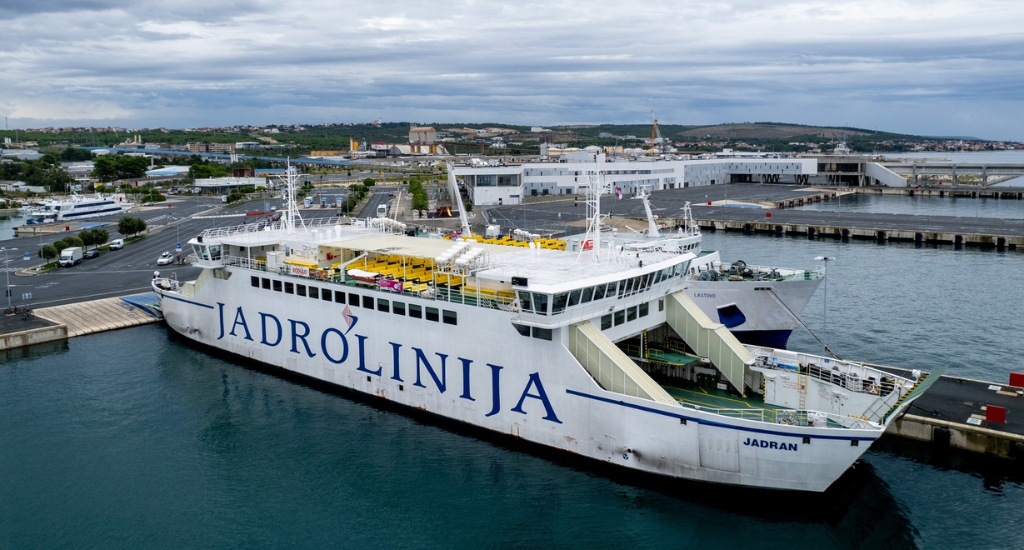
Jadrolinija, Croatia’s state-owned ferry company, runs the country’s largest ferry network. If you’re travelling with a car, Jadrolinija will likely be your go-to option — it’s the only major provider of car ferry services.
Fleet: Jadrolinija’s extensive fleet includes 12 high-speed passenger ships, 39 car ferries, four classic passenger ships, and two ferries for international routes. In the busy summer season, they manage over 600 departures daily.
Key Routes: Jadrolinija’s network connects major coastal cities like Split, Dubrovnik, and Rijeka to many islands across the Adriatic. Some popular routes include Prapratno – Sobra (Mljet), Split – Hvar, Split – Supetar and many more.
Important Reminder: Jadrolinija follows a “full-full” boarding policy. This means that even with a pre-booked ticket, boarding is not guaranteed. If a ferry is full, you’ll need to wait for the next one. Be prepared for long queues when travelling in summer!
Website: www.jadrolinija.hr/
KSC (Krilo Shipping Company)
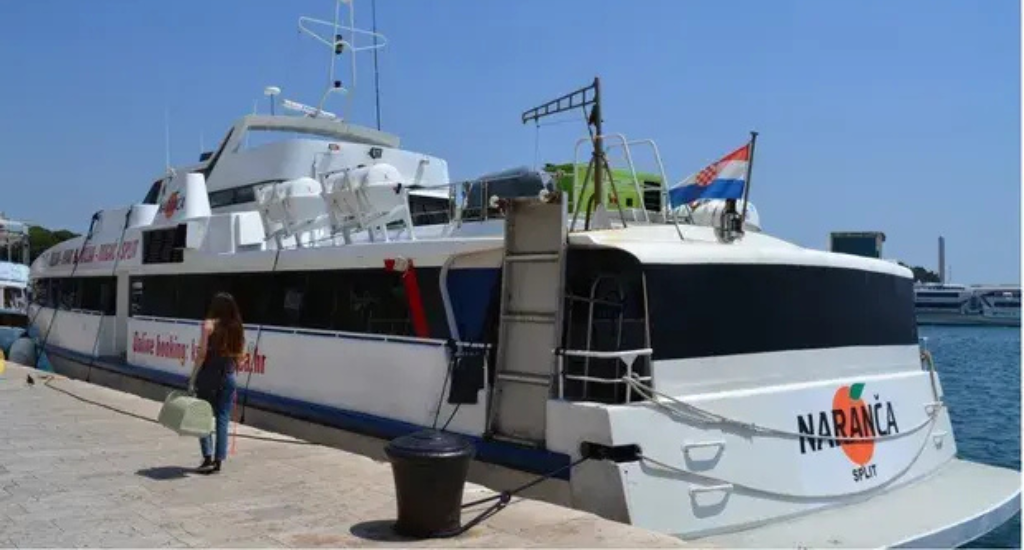
KSC is a relatively smaller ferry operator that provides reliable services to the following destinations: Split, Milna, Rogac, Sutivan and Bol. If you’re travelling with a furry friend, pets are welcome onboard, but with specific guidelines for larger animals.
Fleet: KSC operates two catamarans: Naranča and Jaffa.
Vessel details:
- Jaffa
- Route: Split – Bol – Jelsa
- Capacity: 250 passengers
2. Naranča
- Routes: Split – Bol – Jelsa and Milna (Brač) – Rogač (Šolta) – Split
- Capacity: 250 passengers
KSC also connects Milna – Sutivan – Split and Sutivan – Split, but the vessel for these routes isn’t specified.
Website: www.ksc.hr
Seasonal ferry availability in Croatia
Ferry schedules in Croatia are closely tied to the seasons, with significant variations in frequency and availability throughout the year.
Here’s a breakdown:
Peak Season (June – September)
Summer in Croatia is the peak season for ferry travel. Expect frequent departures on most routes. But high demand means tickets can sell out quickly, so we highly recommend booking tickets a few weeks in advance.
Be prepared for crowds and potential queues at ferry terminals.
Shoulder Season (April, May, October)
These months strike a great balance: pleasant weather and fewer crowds. Most ferry services still run regularly, but with fewer daily departures compared to summer.
You’re more likely to find available tickets without needing to book far in advance.
Off-Season (November – March)
In the off-season, ferry travel slows down considerably. Some routes operate less frequently, while others may be suspended altogether. Jadrolinija typically maintains key connections to major islands, but schedules can be impacted by the weather.
If you’re travelling during this time, double-check schedules directly with the ferry operator before you go.
Croatia ferry routes and schedules
Here are some of the most popular domestic routes in Croatia.
- Split to Hvar (Town): High-speed catamaran service provides direct access to Hvar Town, the island’s main hub. Hvar Town is known for its nightlife, historic sites, and proximity to beaches.
- Split to Hvar (Stari Grad): Ferries on this route arrive in Stari Grad, a UNESCO World Heritage Site with a quieter atmosphere than Hvar Town.
- Dubrovnik to Split: This route connects two of Croatia’s major coastal cities. Some ferries may stop at islands like Brač or Hvar along the way.
- Dubrovnik to Korčula: Most ferries dock at Korčula Town, the island’s main settlement. Korčula is known for its relaxed atmosphere and historic architecture. Some ferries on this route may also stop at Mljet Island.
- Hvar to Brač (Bol): This route connects Hvar Town with Bol, a popular tourist destination on the southern coast of Brač. Bol is known for its beautiful beaches, particularly Zlatni Rat (Golden Horn).
Ferry Schedules
| Route | Ferry Company | Ferry Type | Schedule |
|---|---|---|---|
| Dubrovnik to Split | Krilo (Kapetan Luka) | Catamaran (via Milna) | April to October |
| Krilo (Kapetan Luka) | Catamaran (via Bol) | June to September | |
| Jadrolinija | Catamaran | June to September | |
| TP Line | Catamaran | June to September | |
| TP Line | Catamaran (via Pomena) | June to October | |
| Mljet to Dubrovnik | Krilo (Kapetan Luka) | Catamaran (via Milna) | April to October |
| Krilo (Kapetan Luka) | Catamaran (via Bol) | June to September | |
| TP Line | Catamaran | April to October | |
| Sobra (Mljet) to Prapratno | Jadrolinija | Car Ferry | All Year |
| Hvar to Korčula | Krilo (Kapetan Luka) | Catamaran | May to December |
| Jadrolinija | Catamaran | June to September | |
| TP Line | Catamaran | June to September | |
| Jadrolinija | Catamaran (via Vela Luka) | All Year | |
| Dubrovnik to Makarska | Krilo (Kapetan Luka) | Catamaran | June to September |
| Brač to Hvar | TP Line | Catamaran | June to September |
| Jadrolinija | Catamaran | June to September | |
| Bol (Brač) to Jelsa (Hvar) | Jadrolinija | Catamaran | June to December |
| KSC Naranca | Catamaran | May to October | |
| Dubrovnik to Korčula | TP Line | Catamaran | All Year |
| Jadrolinija | Fast Ship | June to September | |
| Krilo (Kapetan Luka) | Catamaran | April to October | |
| Orebić (Pelješac) to Dominče (Korčula) | Jadrolinija | Car Ferry | All Year |
| Hvar to Dubrovnik | Krilo (Kapetan Luka) | Catamaran | April to October |
| TP Line | Catamaran | April to October | |
| Jadrolinija | Fast Ship | June to September | |
| Hvar to Split | Jadrolinija | Fast Ship | June to October |
| Jadrolinija | Catamaran | All Year | |
| Jadrolinija | Car Ferry (via Stari Grad) | All Year | |
| Krilo (Kapetan Luka) | Catamaran | March to November | |
| TP Line | Catamaran | June to September | |
| Korčula to Split | Krilo (Kapetan Luka) | Catamaran (from Korčula Old Town) | All Year |
| TP Line | Catamaran | June to September | |
| Jadrolinija | Fast Ship | June to September | |
| Vela Luka (Korčula) to Split | Jadrolinija | Car Ferry | March to December |
| Split to Supetar (Brač) | Jadrolinija | Car Ferry | All Year |
Where to book ferry tickets in Croatia
Not sure where to book your ferry tickets in Croatia? Here’s a quick guide to your ticket booking options.
BookAway
If travelling during the peak summer season, we recommend booking through Bookaway. It’s easy to use, and you can compare all the schedules and prices from the different ferry companies in one platform. Booking with BookAway will save you a lot of time and hassle!
Ferry company websites
You can also book directly through the ferry company’s website. These aren’t always user-friendly, particularly for foreign tourists, but sometimes they provide more information on the specific boats and services.
At the terminal
Of course, you can always just buy tickets at the ferry terminal. But fair warning, the lines can be long in the summer, and you might risk the ferry being full for your desired time. Booking online beforehand is a safer bet.
Rounding it up
Ferries are the best way to hop between Croatia’s beautiful islands. You can choose between high-speed catamarans for foot passengers or traditional car ferries if you’re travelling with a vehicle.
The main ferry operators — Krilo, TP Line, and Jadrolinija — adjust their schedules depending on the season. This means the routes and frequency change throughout the year.
During the summer months from June to September, there are more ferries and departures than at other times. That said, it’s also the busiest time, so ferries can fill up quickly.
To avoid the stress of queues and sold-out ferries, book your ferry tickets online in advance. It’s a simple way to secure your spot and skip the wait under the hot summer sun.

Selene is a writer who loves coffee, travel, and planning. After spending a decade in Manila, she left the city and her career in banking to embrace a more laid-back lifestyle. Now, she is discovering the beauty of slow-paced travel and finding joy in meaningful experiences.

Ela is a storyteller, content producer, solo traveller and a mermaid-in-training. When she’s not in front of her laptop, you will find her barefoot and living her best tan on some island in the Philippines… Or exploring the depths of its seas as a budding freediver. An island girl at heart, she’ll be happy anywhere there is sea, sand, sun and coffee.


